Mastering the Brush: Art Paint Kit Guide
Creating art is a journey filled with colors, textures, and emotions. Whether you are a beginner or an experienced artist, having the right tools can make all the difference. In this guide, we will explore the essential components of an art paint kit. We will also provide tips on how to choose the best supplies for your artistic needs.
Art is not just about the final piece; it is about the process. The right paint kit can inspire creativity and help you express your unique vision. Let’s dive into the world of art supplies and discover what you need to master the brush.
Understanding Different Types of Paint
Before you start assembling your paint kit, it is important to understand the different types of paint available. Each type has its own characteristics and uses. Here are the most common types:
Acrylic Paint
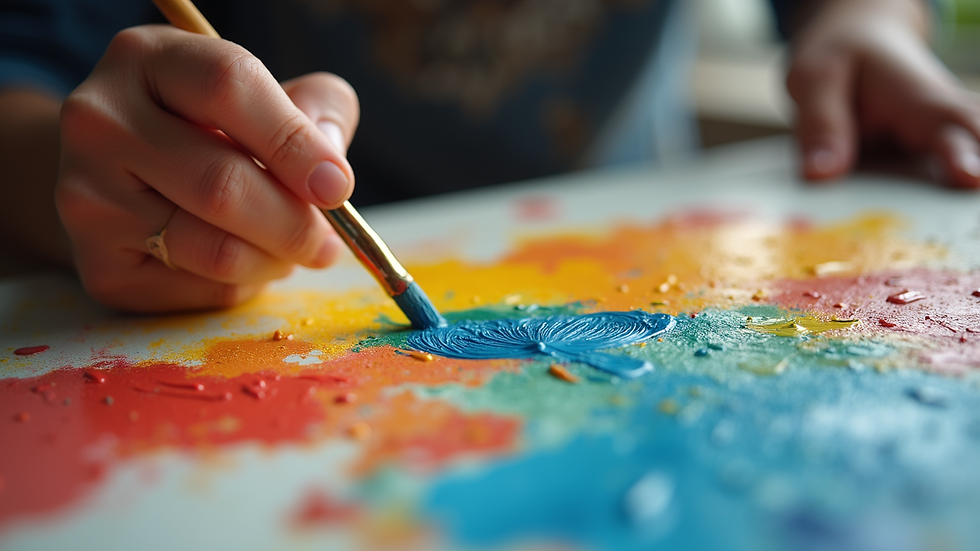
Acrylic paint is versatile and dries quickly. It can be used on various surfaces, including canvas, wood, and paper. Acrylics are water-based, making them easy to clean up. They can be thinned with water or mixed with mediums to create different effects.
Oil Paint
Oil paint is known for its rich colors and smooth texture. It takes longer to dry, allowing artists to work with the paint for an extended period. This type of paint is ideal for blending and layering. However, it requires solvents for cleaning, which can be a drawback for some.
Watercolor Paint
Watercolor paint is transparent and fluid. It is typically used on special watercolor paper. This type of paint allows for beautiful washes and delicate details. Watercolors can be challenging for beginners, but they offer a unique way to create art.
Gouache
Gouache is similar to watercolor but is opaque. It provides vibrant colors and can be used for both detailed work and large washes. Gouache is also water-soluble, making it easy to clean up.
Ink
Ink is often used for drawing and calligraphy. It can be applied with brushes or pens. Inks come in various colors and can be mixed to create custom shades.
Essential Tools for Your Paint Kit
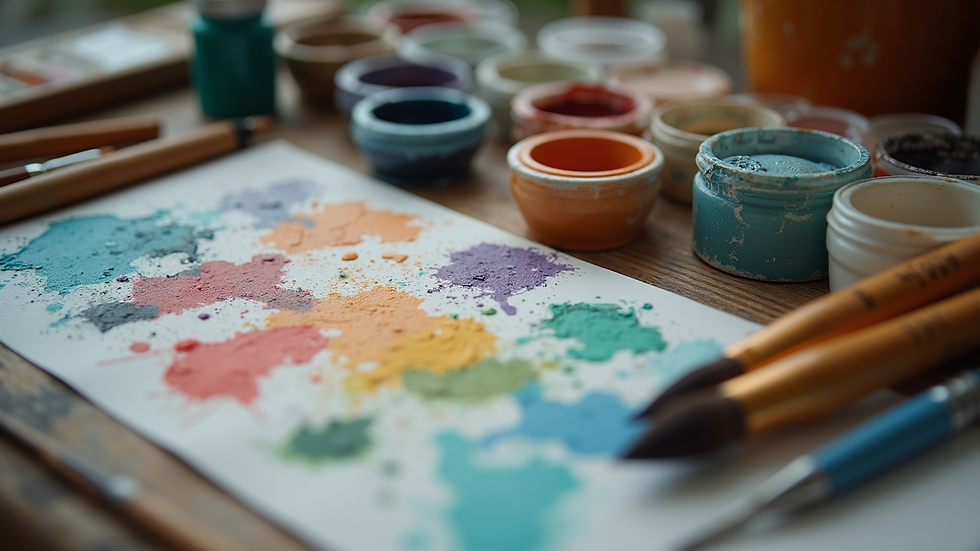
Once you have chosen your paint type, it is time to gather the essential tools for your paint kit. Here are the must-have items:
Brushes
Brushes come in various shapes and sizes. Each type serves a different purpose. Here are some common brush types:
Round Brushes: Great for detail work and fine lines.
Flat Brushes: Ideal for broad strokes and filling in large areas.
Filbert Brushes: A mix of round and flat, perfect for blending.
Fan Brushes: Useful for creating texture and special effects.
Palette
A palette is where you mix your colors. You can choose a traditional wooden palette or a disposable paper palette. Some artists prefer a glass palette for easy cleaning.
Easel
An easel holds your canvas at a comfortable angle. There are various types, including tabletop easels and full-size standing easels. Choose one that fits your workspace and style.
Canvas or Paper
Depending on your chosen paint type, you will need the right surface. For acrylics and oils, use canvas or canvas boards. For watercolors, opt for watercolor paper.
Palette Knives
Palette knives are used for mixing paint and applying it to the canvas. They can create interesting textures and effects.
Rags or Paper Towels
Keep rags or paper towels handy for cleaning brushes and wiping spills.
Choosing the Right Paint
When selecting paint, consider the following factors:
Quality
Invest in high-quality paint for better results. Student-grade paints are more affordable but may not have the same vibrancy as professional-grade options.
Color Range
Look for a paint set that offers a wide range of colors. This will allow you to mix and create your own shades.
Lightfastness
Lightfastness refers to how well a paint holds up to light exposure. Choose paints that are labeled as lightfast to ensure your artwork lasts.
Organizing Your Paint Kit
A well-organized paint kit can enhance your creative process. Here are some tips for keeping your supplies in order:
Use Containers
Store your brushes, paints, and tools in containers. This will keep everything tidy and easy to access.
Label Everything
Label your containers to quickly find what you need. This is especially helpful if you have multiple colors or types of paint.
Create a Workspace
Designate a specific area for your art supplies. A clean and organized workspace can inspire creativity and make painting more enjoyable.
Tips for Getting Started
Now that you have your paint kit ready, here are some tips to help you get started:
Experiment
Don’t be afraid to experiment with different techniques and styles. Try mixing colors, using various brush strokes, and exploring different surfaces.
Practice Regularly
The more you paint, the better you will become. Set aside time each week to practice and develop your skills.
Seek Inspiration
Look for inspiration in nature, art books, or online platforms. Join art communities to share your work and learn from others.
Take Breaks
If you feel stuck or frustrated, take a break. Sometimes stepping away from your work can provide a fresh perspective.
Enjoy the Process
Remember that art is about the journey, not just the final product. Enjoy the process of creating and let your imagination flow.
Conclusion: Your Artistic Journey Awaits
Mastering the brush is a rewarding experience. With the right paint kit and a willingness to explore, you can unlock your creative potential. Remember to choose quality supplies, stay organized, and most importantly, have fun.
As you embark on your artistic journey, keep experimenting and learning. Each stroke of the brush brings you closer to discovering your unique style. So gather your supplies, find your inspiration, and let your creativity shine.

Comments